
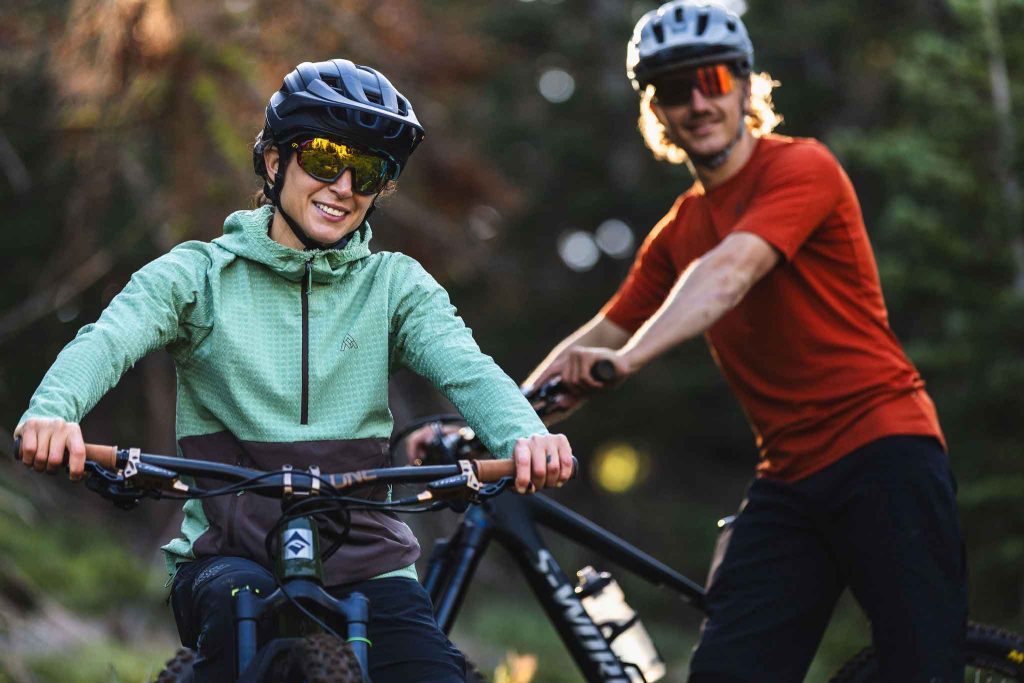
Why lived experience in the sport leads to stronger mountain bike marketing assets, more credible visual storytelling, and better commercial photography and video production
By Ryan Cleek
Mountain biking has always had a built-in bullshit filter for anything inauthentic. It began as a renegade sport, and that spirit still defines it today. The people who truly live it can spot a poser immediately. At its core, this is what mountain bike brand storytelling is supposed to do: build trust with riders who know the difference
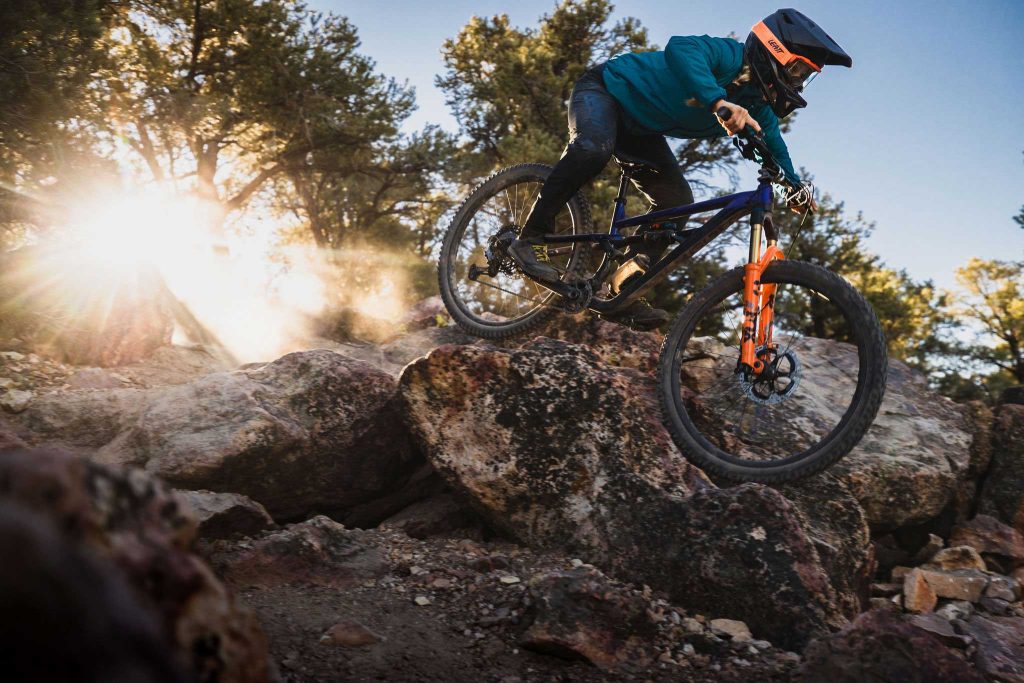
Why Mountain Bike Brand Storytelling Matters More Than Ever
Riders know when something feels real and when it doesn’t. They know when a trail fits the bike, when an athlete belongs in the terrain, and when a moment was earned instead of manufactured. That’s one of the reasons I’ve always loved this sport. It doesn’t hand out credibility easily.
Mountain Bike Action recently described me as one of mountain biking’s most respected photographers and filmmakers. I’m proud of that, but more importantly, I think it points to something marketing directors and creative directors I regularly work with already understand: in mountain biking, authenticity is not a bonus. It’s the baseline.
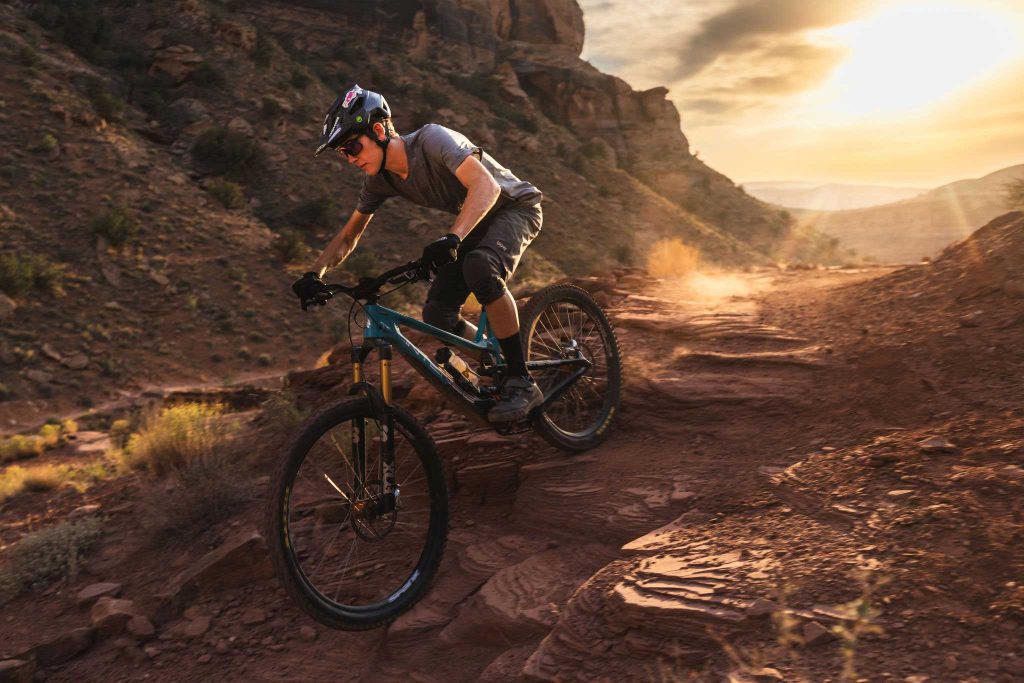
I didn’t come into this world as an outsider trying to learn its visual language from the sidelines. I came up through bikes, racing, media, and years of working inside the sport. Fresh out of college, I worked at Mountain Bike Action as a staff writer and photographer for more than a decade, appeared on the cover numerous times as an athlete, shot dozens of magazine covers, and continue to contribute worldwide mountain bike media. Over time, that foundation led to a broader career encompassing roles like the lead creative producer for Specialized Bicycles, documentary filmmaking, and commercial photography and video production for global outdoor sports and action sports brands via my own production company.
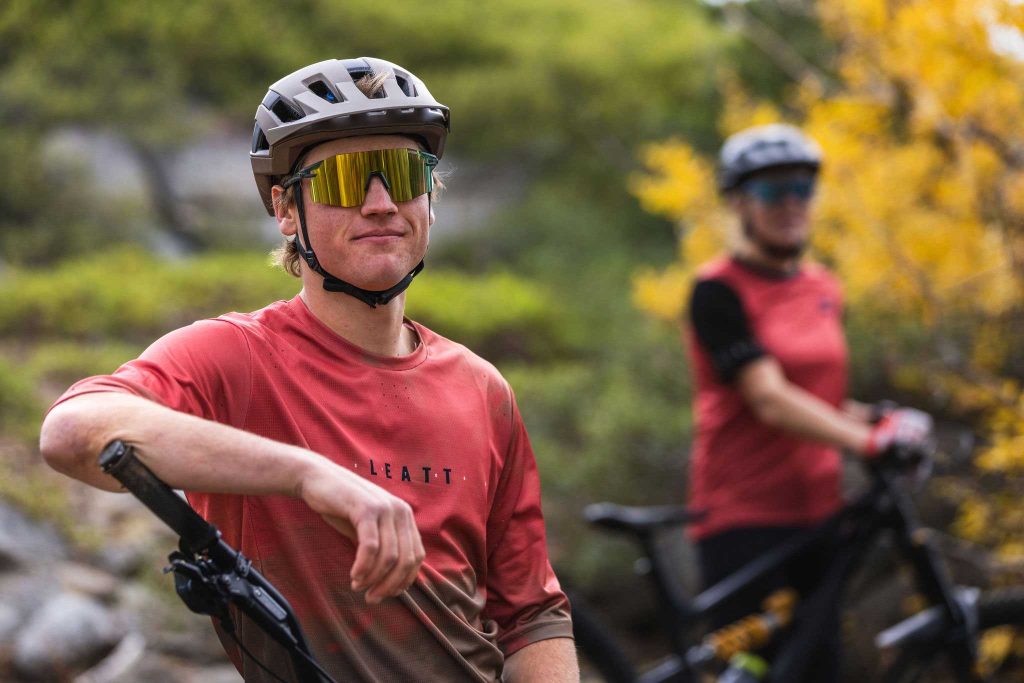
That experience matters because mountain bike marketing has a specific challenge. Brands do not just need beautiful images. They need credible marketing assets that hold up with core riders, support product launches, and work across every channel where the audience encounters the brand.
That is the kind of work Ryan Cleek Productions is built to deliver.
Why Credibility Matters So Much in Mountain Bike Marketing
Mountain bikers are not passive consumers. They are highly literate viewers.
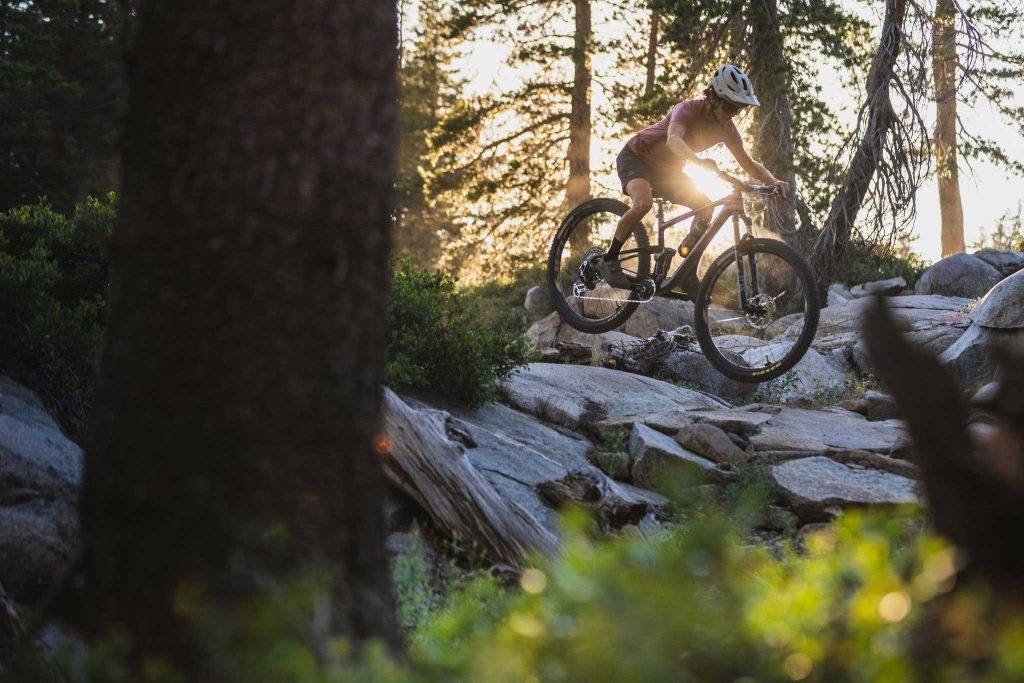
They notice line choice, body position, trail character, terrain accuracy, rider style, and whether the bike setup makes sense for the story being told. They may not always articulate why an image or video feels off, but they know when it does.
That has real consequences for brands.
- If the photography looks staged, the audience feels distance.
- If the riding looks wrong, trust drops.
- If the environment does not match the product, the message weakens.
- If the campaign looks polished but disconnected from the sport, the work gets dismissed fast.
In mountain biking, audiences do not reward brands for simply showing up. They respond when the work shows understanding.
That is why authentic mountain bike brand storytelling matters so much. The goal is not just to present the product. The goal is to place it inside a believable world and let the audience feel that the brand actually knows who it is speaking to.
The Difference Between Shooting Mountain Biking and Living It
A lot of people can photograph a rider cruising down a trail. Shooting a decent, or at least serviceable, action photo is a low-hanging fruit in photography, especially with modern equipment. That is not the same thing as understanding mountain biking through living it and shooting for a living for over 20 years.
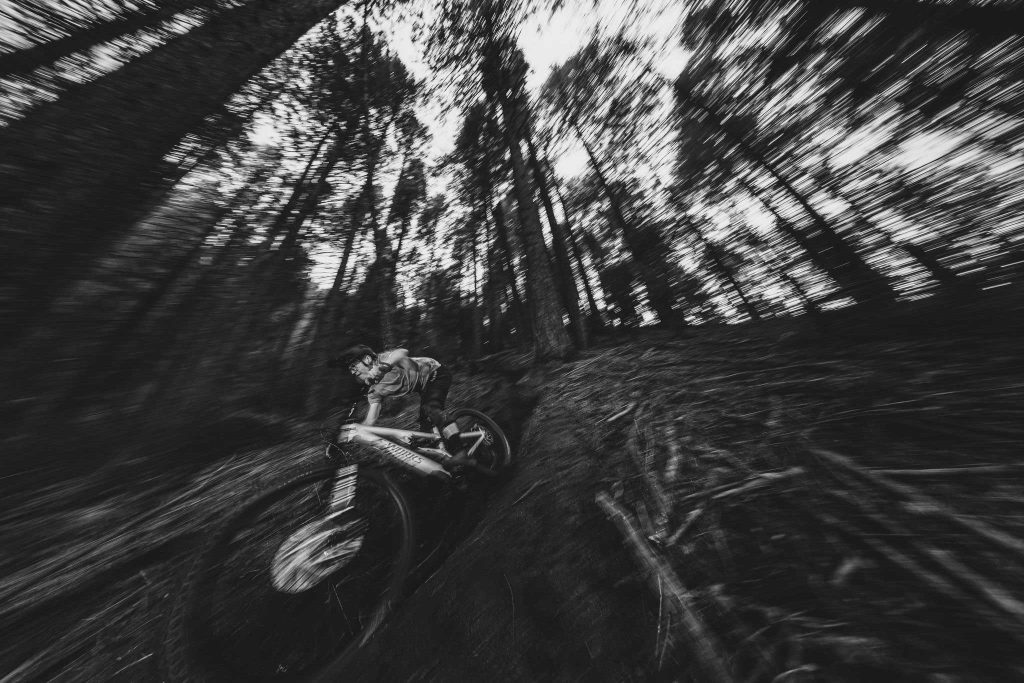
There is a difference between documenting action and knowing what makes the action meaningful. There is a difference between recognizing a striking landscape and knowing whether it makes sense for the bike, the rider, and the audience. There is a difference between making something look expensive and making it feel true.
Because I have lived this sport for so long, I pay attention to details that matter to riders and, by extension, matter to the brands trying to reach them.
In photography, we get one frame to tell a story. For each shot, I’m looking at whether the terrain supports the category of bike. I’m thinking about whether the rider’s movement feels natural. I’m considering whether the visuals communicate speed, control, confidence, or exploration in a way that aligns with the product. I’m thinking beyond the single hero image to how the story will work as a complete set of mountain bike marketing assets.
That’s the difference lived experience makes. It sharpens every decision before the shutter is pressed or the camera starts rolling.
Why Marketing Directors Need More Than a Camera Operator
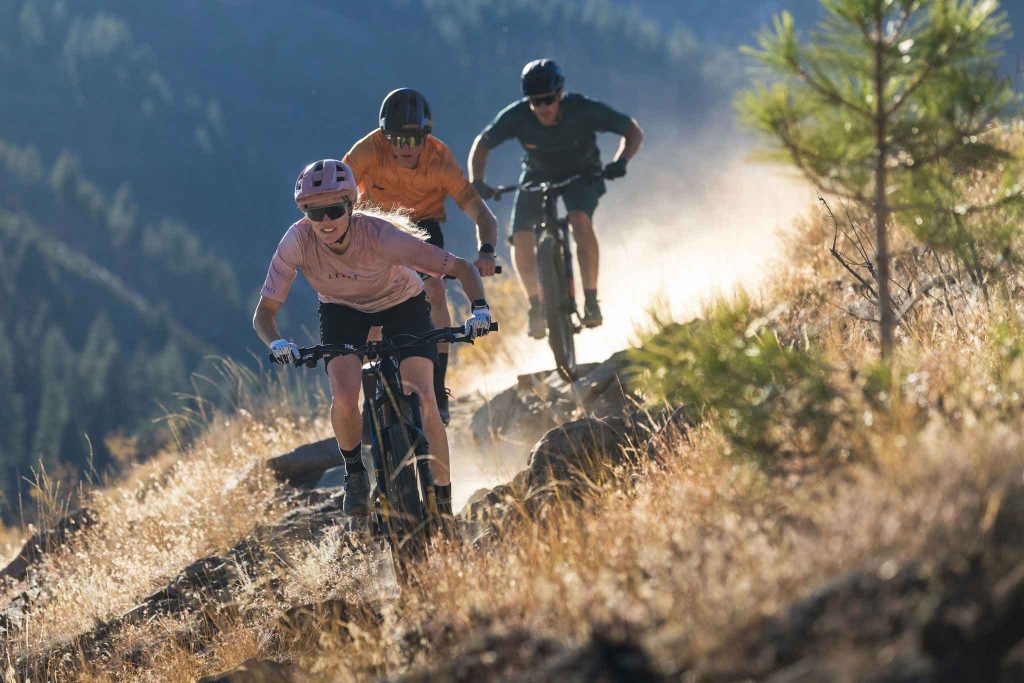
Most brands are not struggling because they lack imagery. They are struggling because they need the right imagery in the right formats with the right level of credibility.
Marketing teams today need assets that can do real work:
- launch campaigns
- website headers
- ecommerce support
- dealer and retailer use
- social cuts
- vertical formats
- brand films
- still photography that does not feel disconnected from the motion campaign
That means hiring a production partner who understands both creative execution and strategic use.
My role is not simply to show up with cameras. It is to help solve the visual side of a marketing problem.
That starts with understanding the brief, but it goes deeper than that. It means helping shape the production around what the product actually needs. It means scouting locations that support the story instead of just looking dramatic. It means working with riders who bring credibility to the frame. It means capturing photography and video production assets with continuity so the campaign feels cohesive from the homepage to the product page to social media.
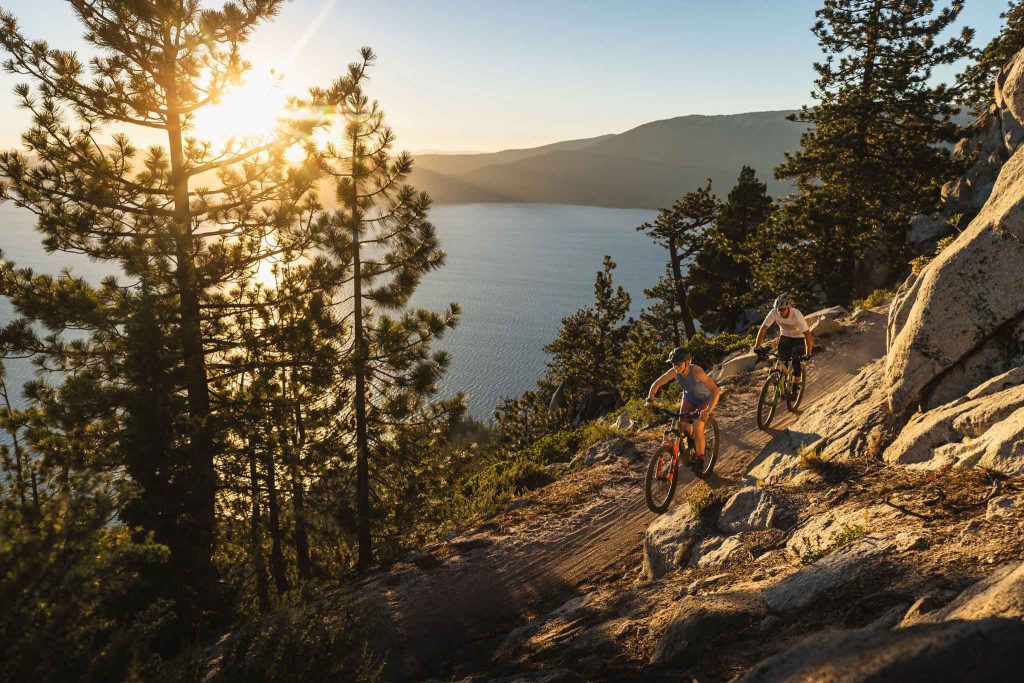
When that process is handled well, brands do not just get content. They get professional mountain bike photography and video production that hold up under real scrutiny and retain value long after launch day.
What Strong Mountain Bike Brand Storytelling Actually Does
When mountain bike photography and video production are done well, the work creates trust before the audience reads a single line of copy.
- It shows the product in terrain that makes sense.
- It shows riders who move like real riders.
- It reveals product benefits through use instead of forcing them through messaging.
- It creates emotional alignment between the brand and the rider.
- It gives marketing teams assets that are useful, adaptable, and professionally built.
That is the job.
I have always believed that the best commercial photography does not scream at the audience. It lets them come to the conclusion on their own. It gives them enough truth to recognize themselves in the story. In mountain biking, that approach matters even more because the audience has no patience for fake polish or borrowed credibility.
Brands that get this right stand out quickly.
Brands that do not tend to blend into the noise with forgettable imagery.
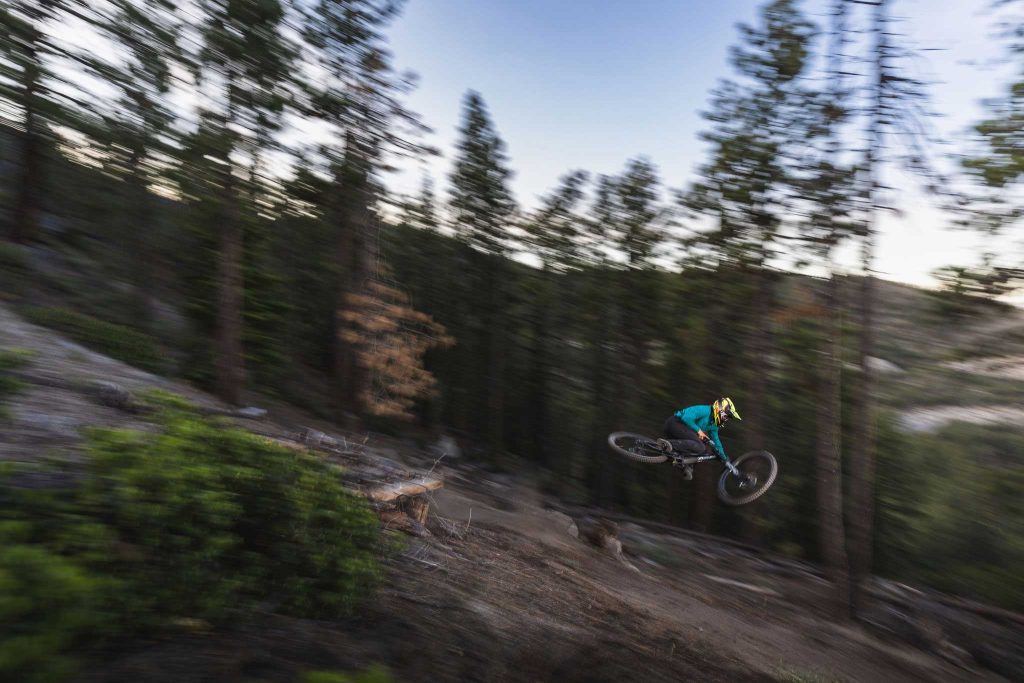
How Ryan Cleek Productions Approaches Commercial Mountain Bike Photography and Video Production
Ryan Cleek Productions exists at the intersection of cultural fluency and commercial execution.
My background spans editorial work, feature-length mountain bike films, branded content, commercial campaigns, and years inside major cycling and action sports media. That range is useful because the strongest brand work often draws from all of it. Few people bring this level of experience in writing, photography, and premium-level film production. That combination is the product of my life’s work.
- Editorial teaches you how to recognize the moment.
- Documentary filmmaking teaches you how to tell the truth through compelling story and imagery.
- Commercial production teaches you how to turn those instincts into assets that solve a business problem.
That combination is what I bring to mountain bike brands.
- The process typically starts with understanding how the product is meant to live in the real world. From there, everything builds outward:
- location scouting that makes sense for the category
- rider casting that reflects the audience
- shot planning that highlights real product benefit
- delivery formats designed for modern marketing use
I also place a lot of importance on how files are delivered. High-resolution masters matter, but so do web-optimized versions, vertical social crops, and ready-to-use marketing assets that allow teams to plug visuals directly into campaigns without sacrificing composition or quality. That part gets overlooked more often than it should, and it is one of the reasons many brands end up with strong raw material but inefficient final execution.
My goal is always the same: create visual assets that feel credible to riders and genuinely useful to the marketing team.
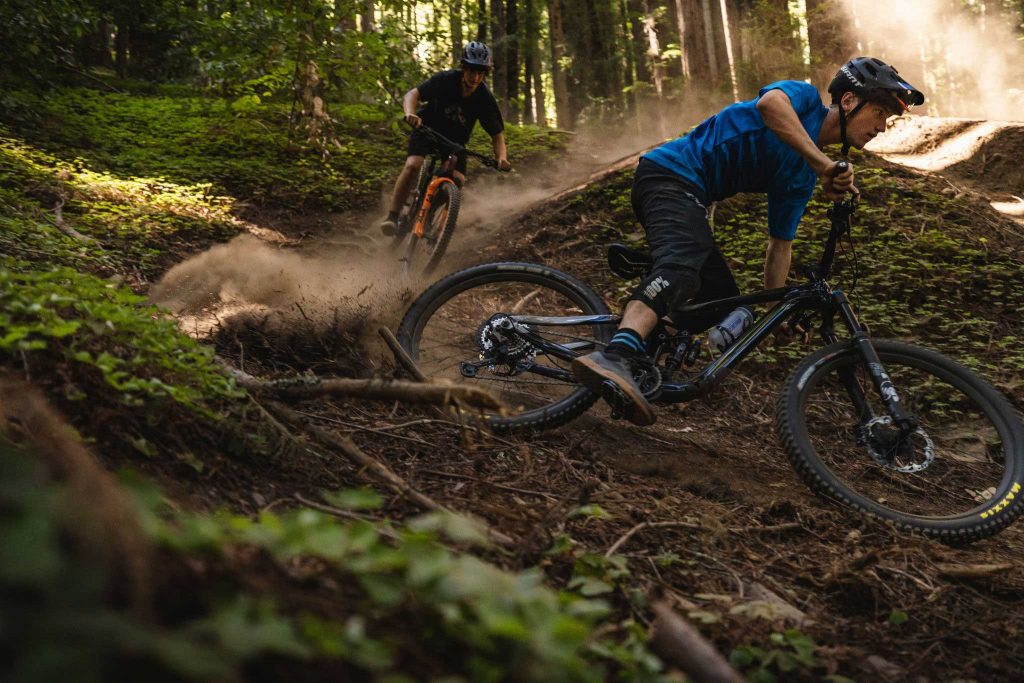
Why Respect Inside the Sport Matters to Brands
The Mountain Bike Action feature was meaningful to me because it came from a place that shaped a huge part of my career. The magazine described me as one of mountain biking’s most respected photographers and filmmakers, and that kind of recognition carries weight because it comes from inside the culture, not outside of it.
For brands, that matters.
Respect inside the sport signals that the work has been tested by a knowledgeable audience. It suggests the photographer or filmmaker has spent enough time in the trenches to understand more than surface-level aesthetics. It means the credibility wasn’t handed out by a generic creative industry award or a LinkedIn headline. It was earned through years of showing up and doing the work.
That is important because the mountain bike audience can tell when a brand is borrowing culture instead of participating in it.
When brands hire someone who has lived the sport, they reduce that risk.
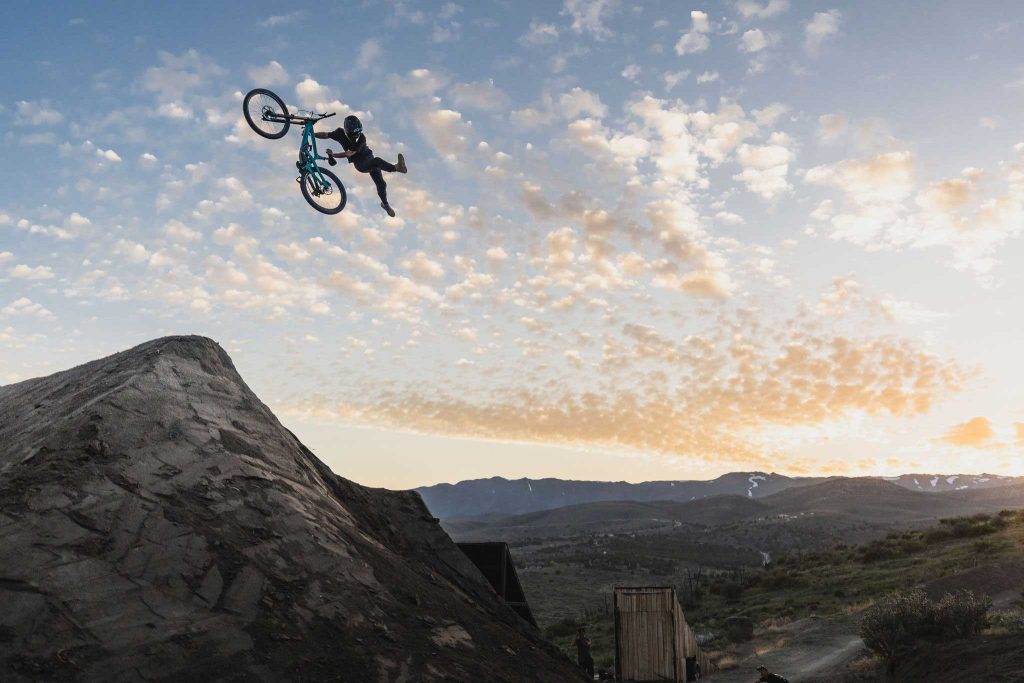
The Bottom Line
I have spent my life around bikes, around athletes, around media, and around the strange and rewarding challenge of turning lived experience into images and films that mean something.
That background is a big reason why Ryan Cleek Productions is trusted by brands that need more than generic outdoor visuals. They need mountain bike photography and video production that feel accurate, credible, and strategically useful. They need marketing assets that support launches, campaigns, ecommerce, and long-term brand positioning without losing the soul of the sport in the process.
Mountain biking does not reward shortcuts.
Neither does good marketing.
If your brand needs a production partner who understands both the culture and the commercial objective, Ryan Cleek Productions is built for exactly that.To discuss a commercial photography or video production project, contact Ryan Cleek Productions today.